


The game
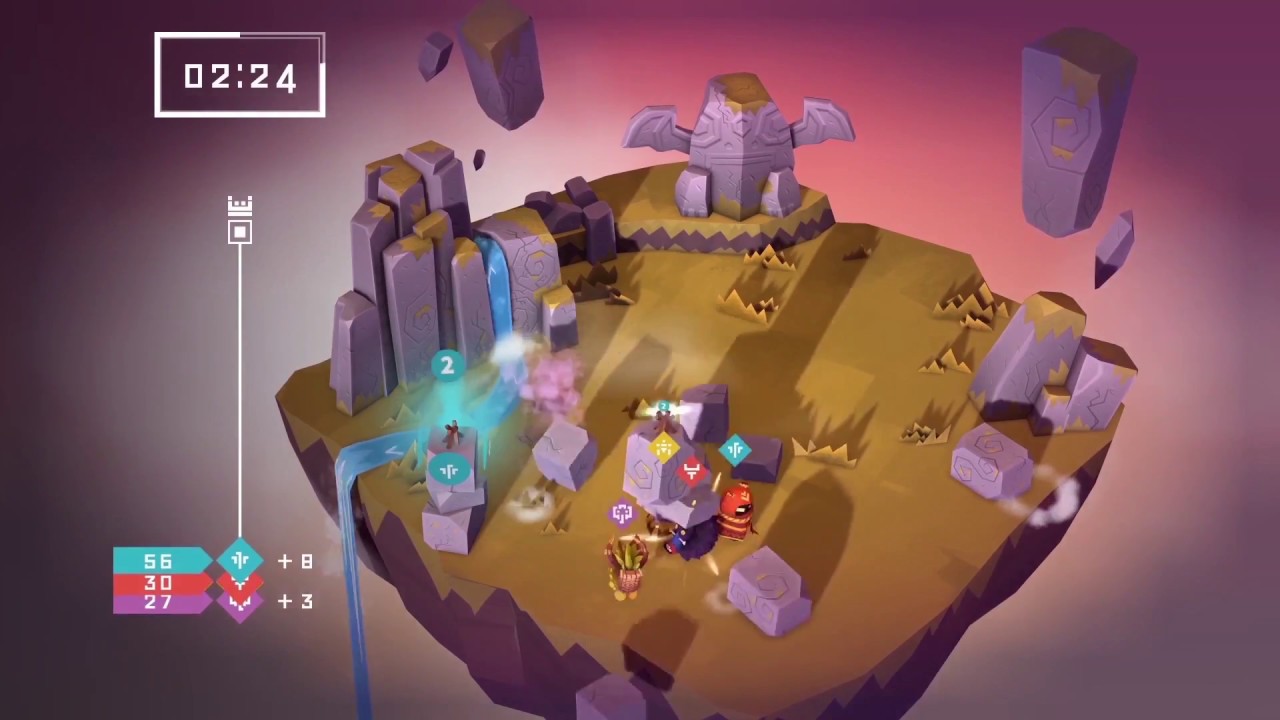
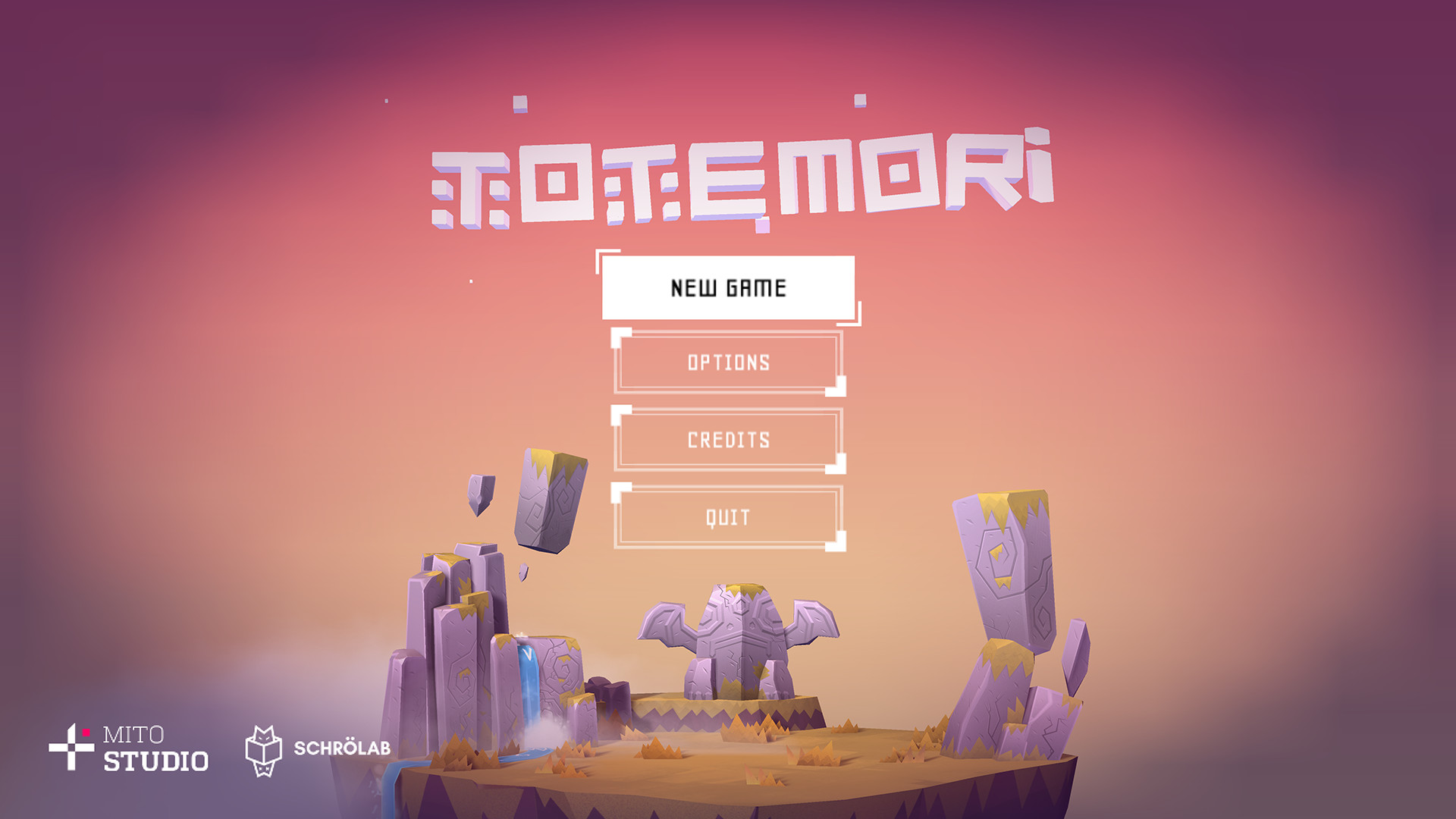
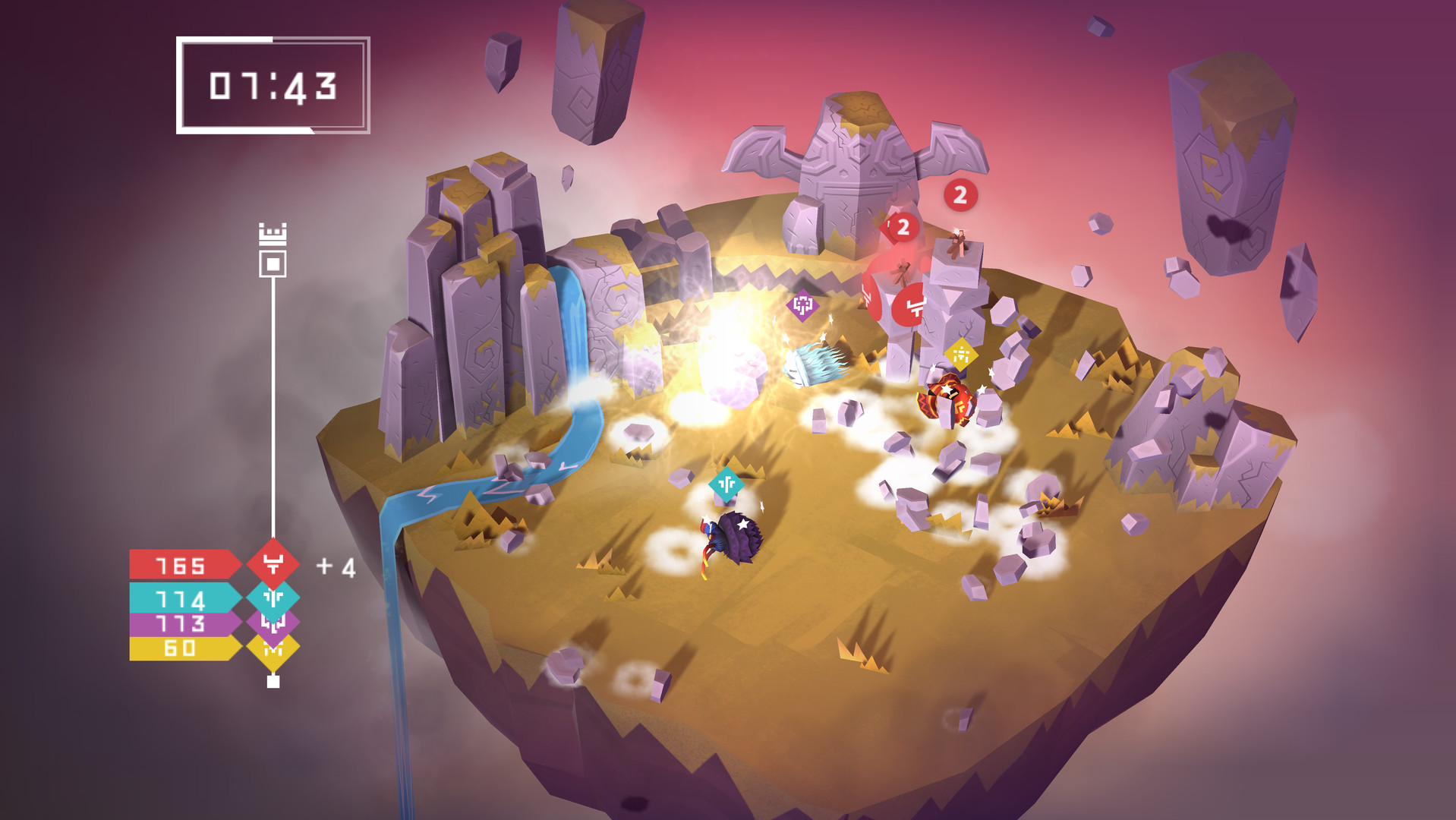
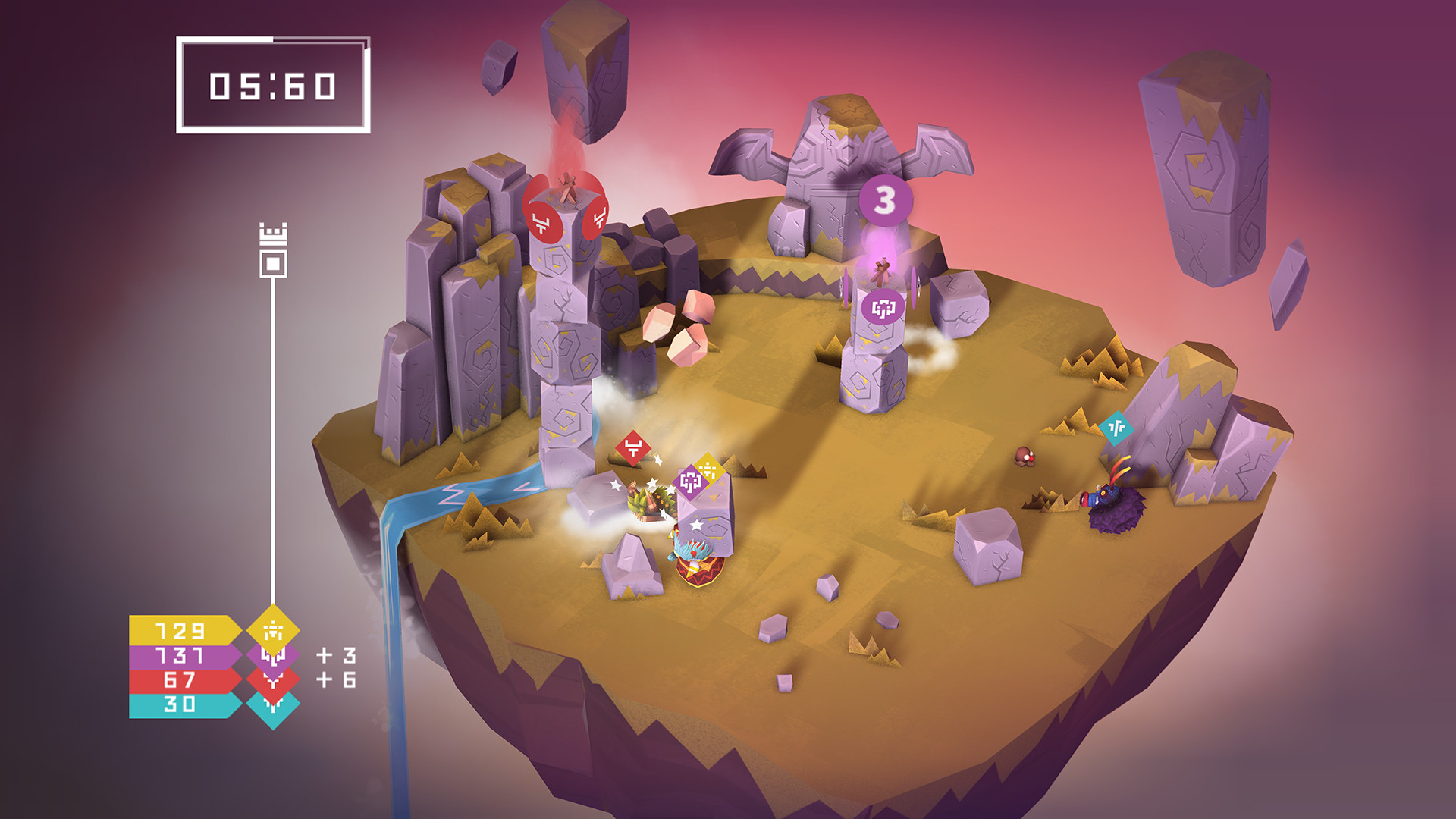
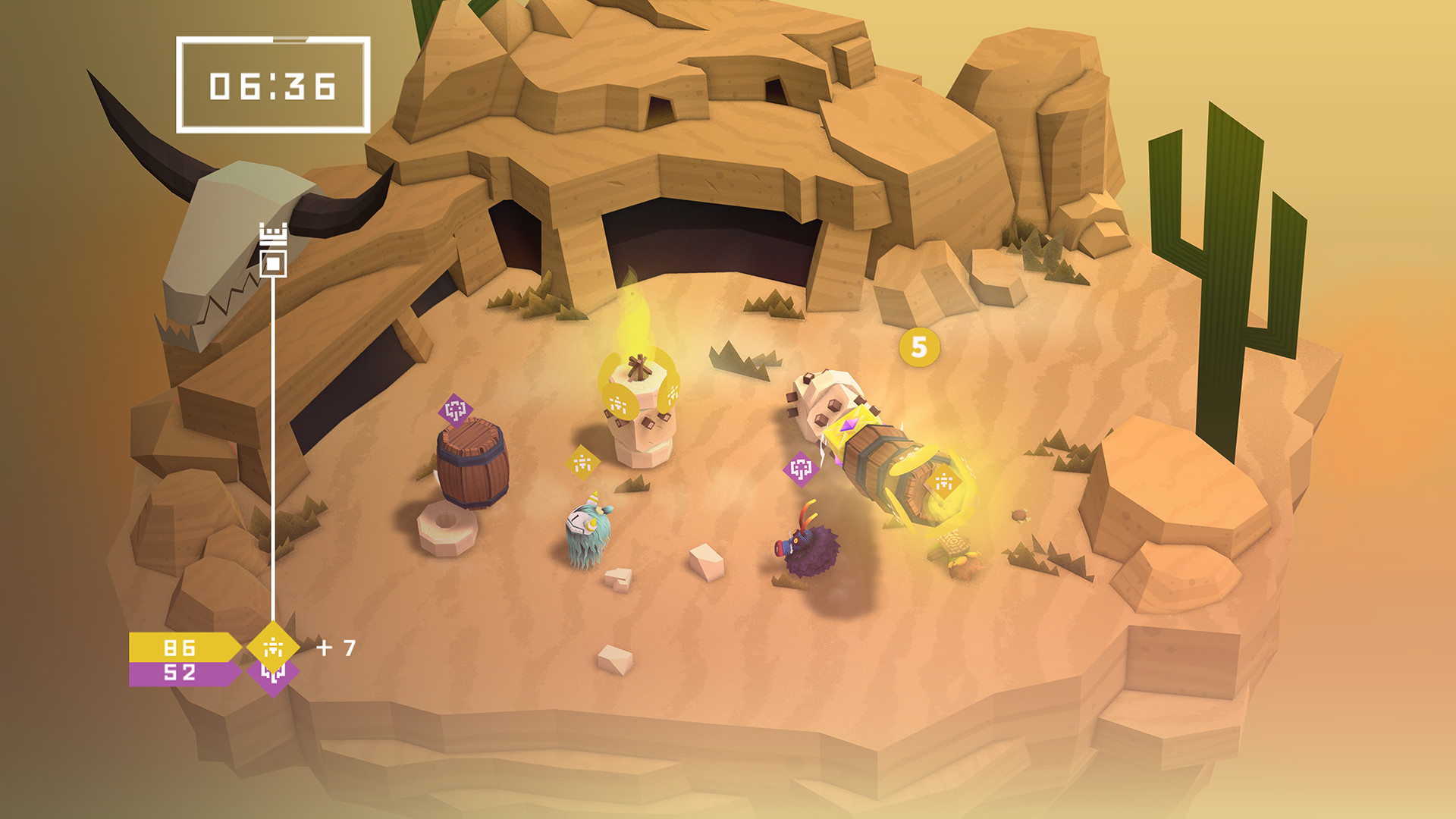
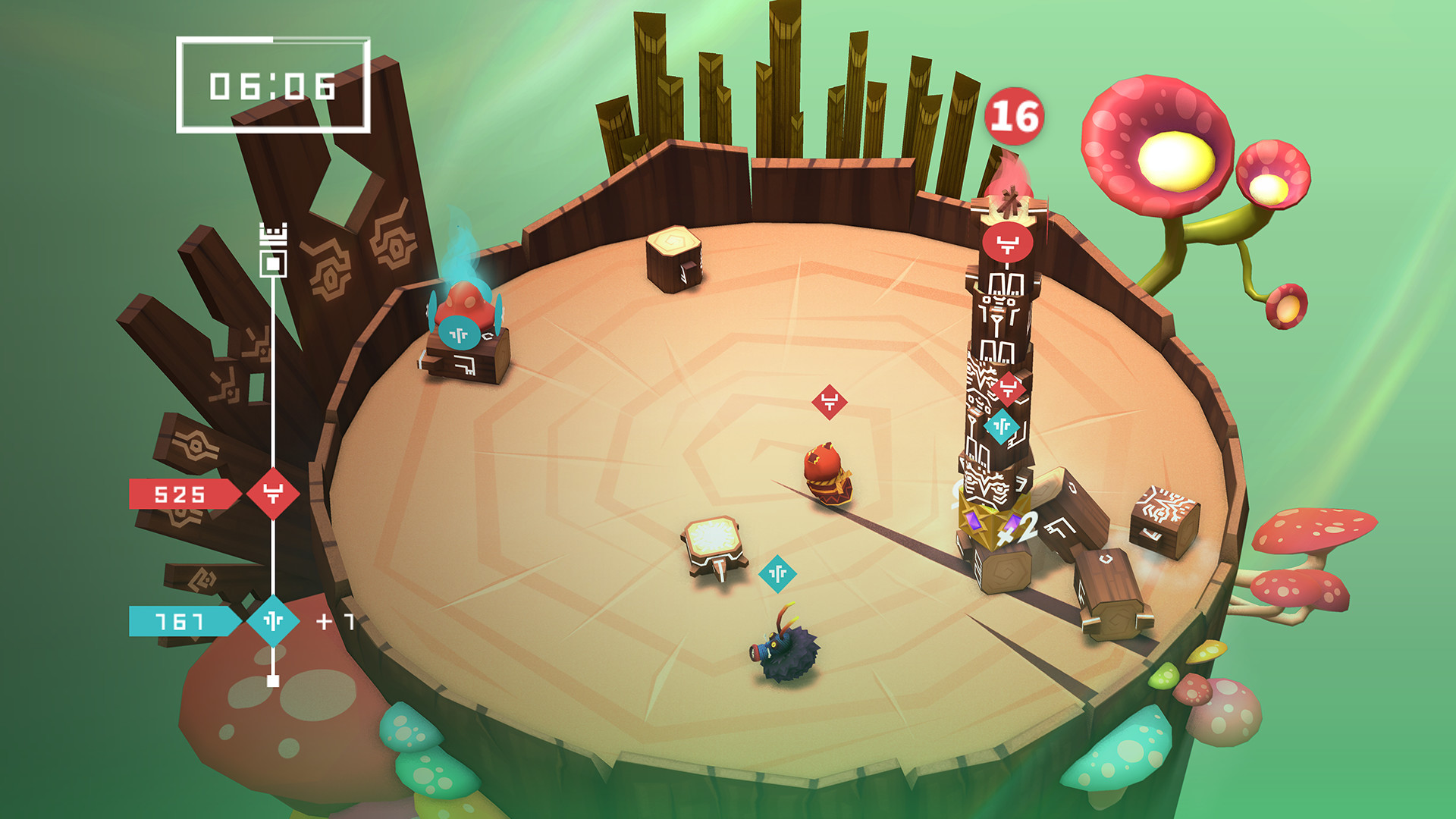
Totemori is a multiplayer arena game in which players build and defend totem poles, solo or in teams.
Design centered on a single question: what should the player feel?
Starting point
In 2016, three of us — all designers — started building a game as a hobby project. We picked up 3D modeling and coding along the way. I was responsible for the game mechanics, the UX/UI design, and resource management.
Process
We worked in a single recurring loop: try it, observe, change it — and start again.
The first version was deliberately simple: one platform, one player, cubes. Just enough to test the core idea.
We started testing with colleagues and friends, then moved on to indie game-dev meetups and player communities. We paid attention to how testers reacted — both behavior and words. A moment's hesitation or a puzzled look often said more than any piece of feedback.
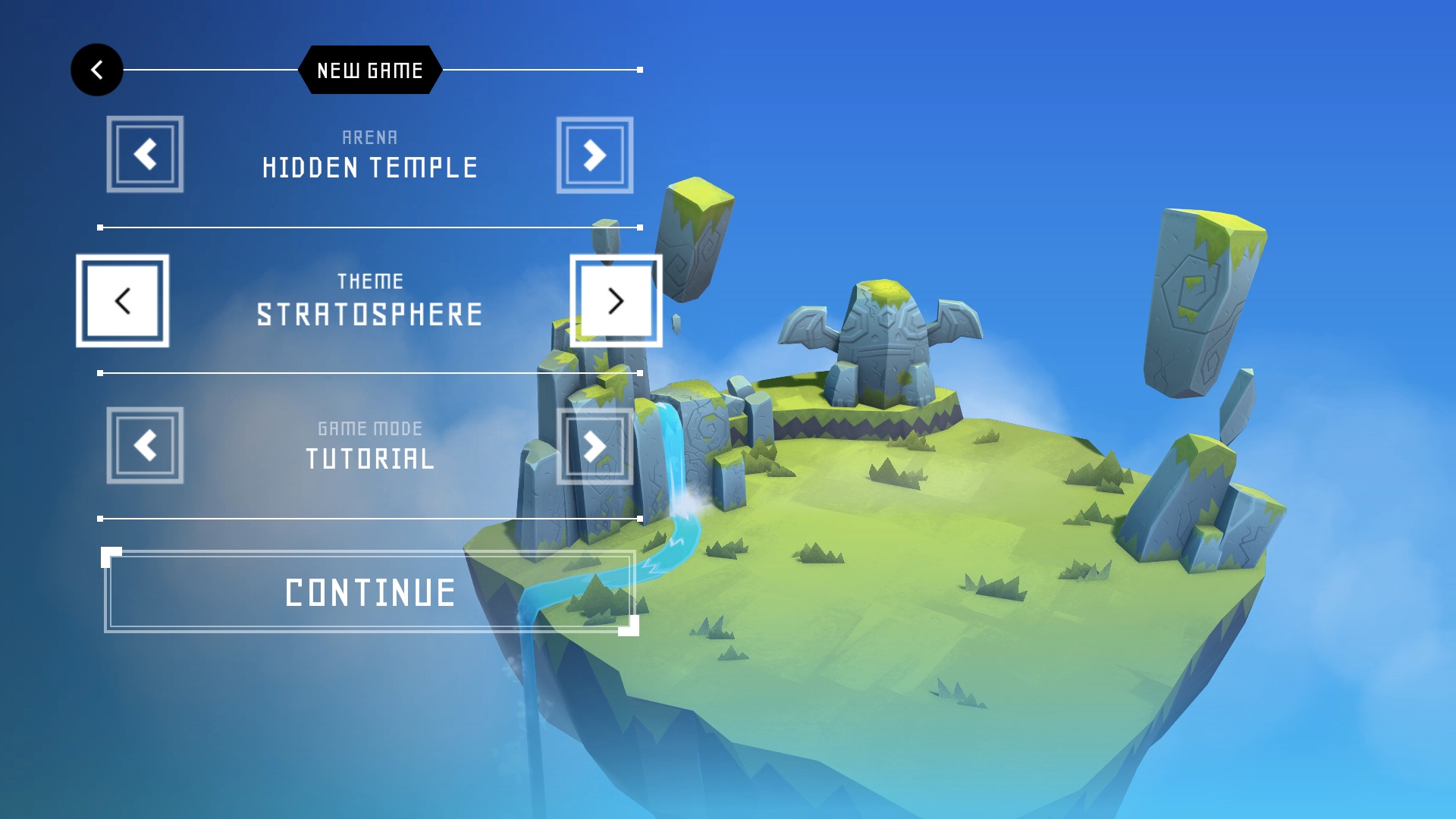
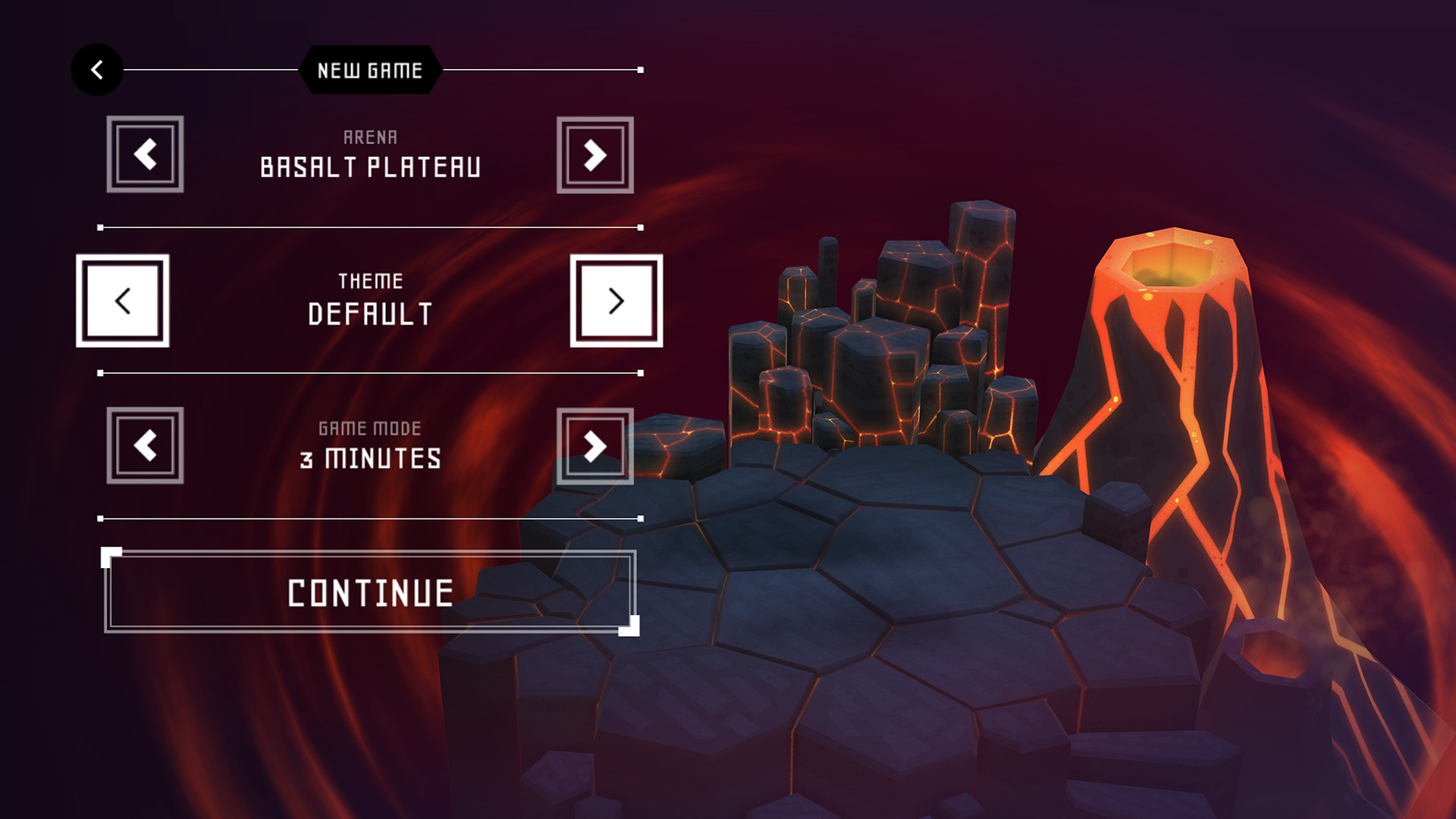
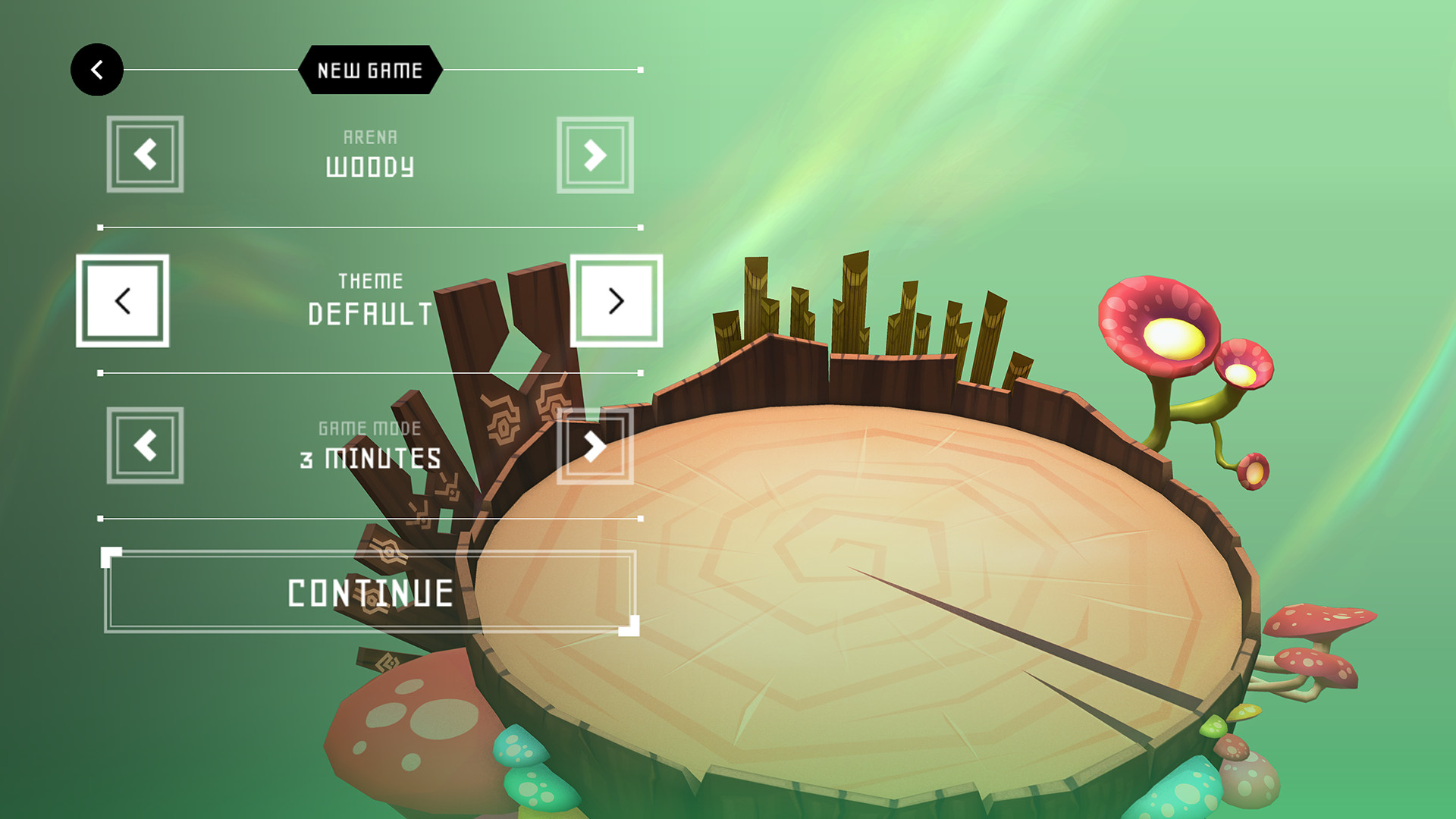
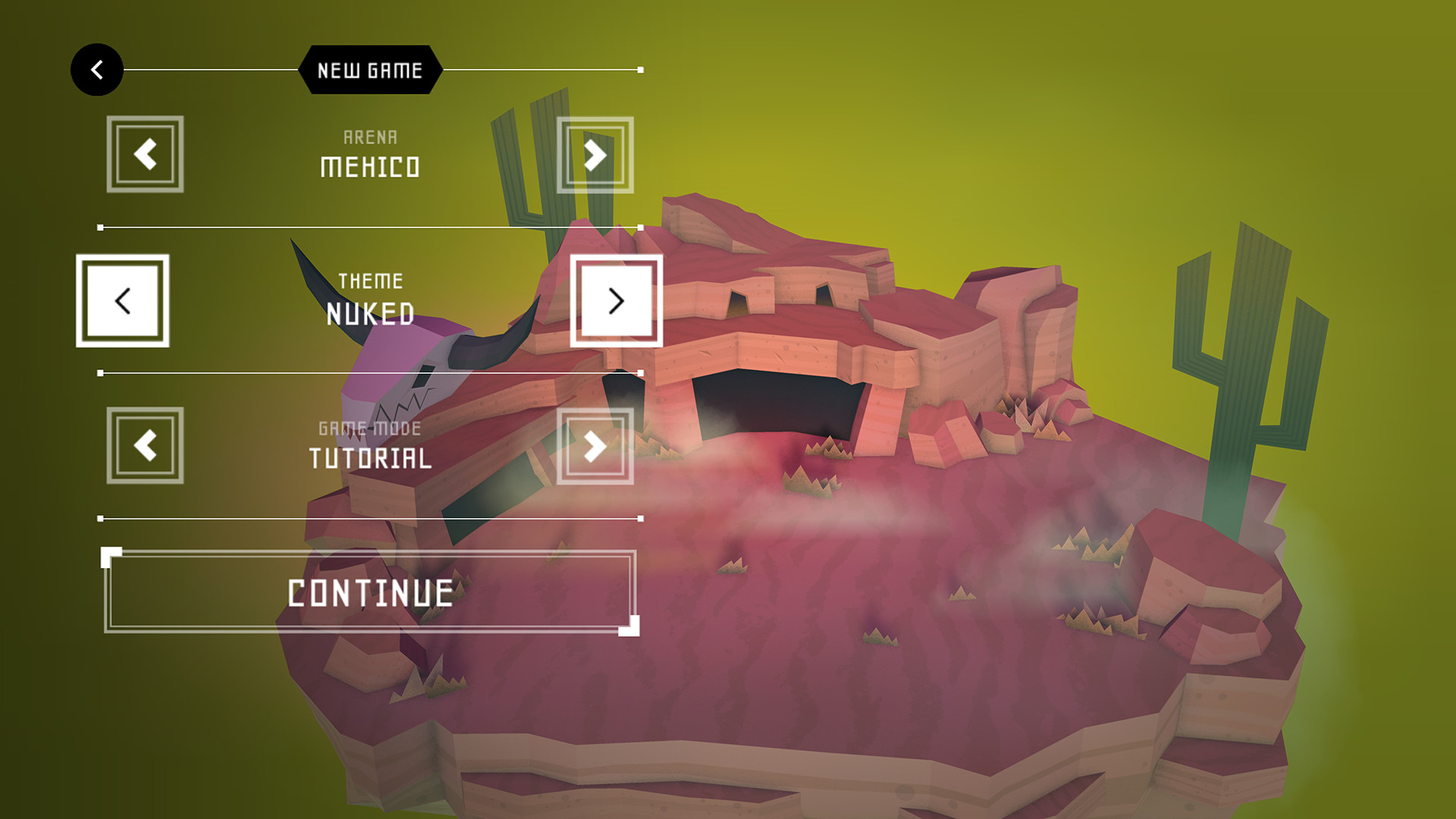
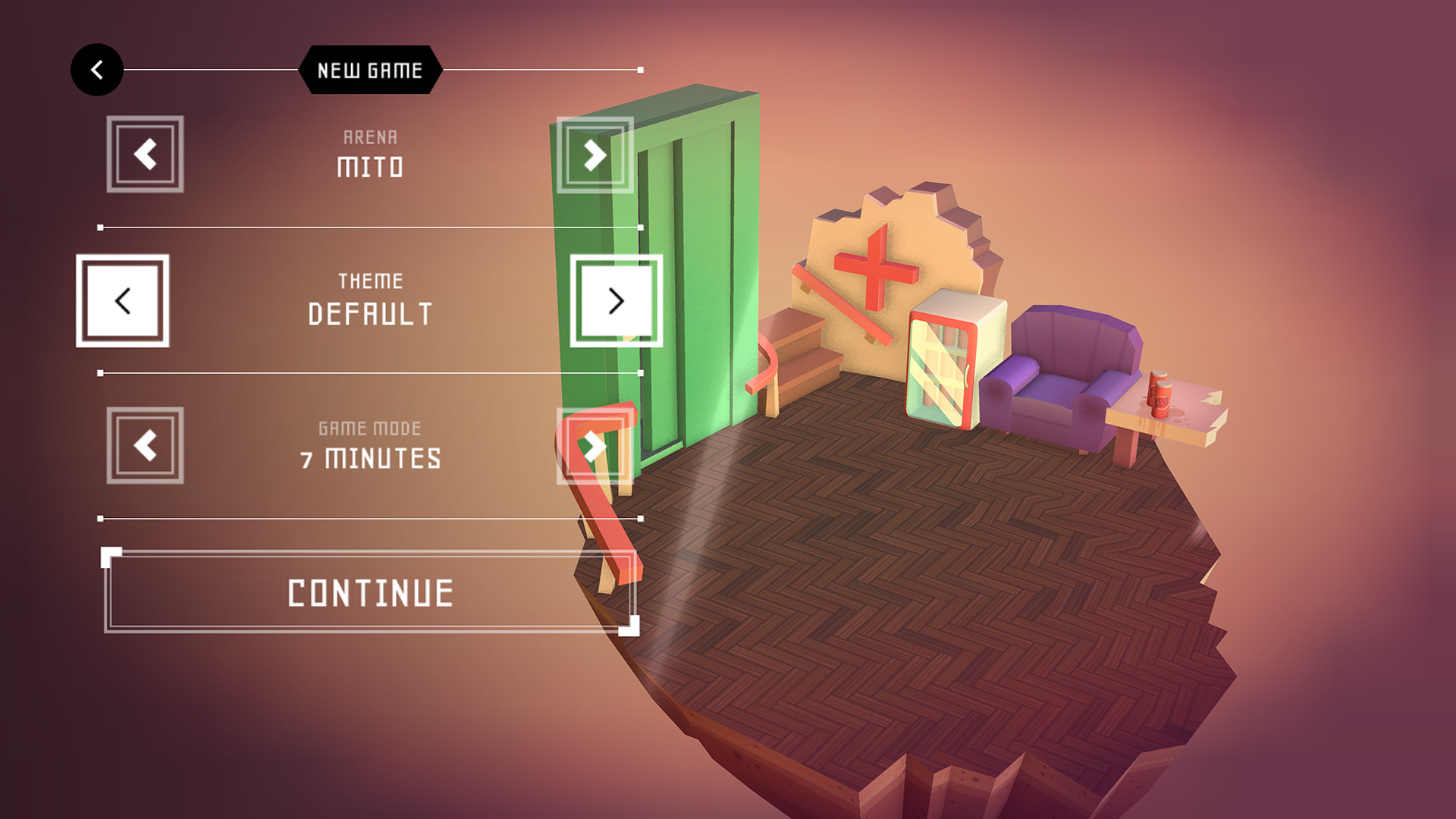
From that loop we built up the game's layers: multiplayer mode, different arenas, the scoring system, team play — all shaped by player behavior.
Decisions
From a space-swap FPS to an arena game
The original idea was a space-swap FPS — an exciting concept, but one that exceeded our resources and would have delivered only a one-time experience. We wanted something players would keep coming back to. That became Totemori.
From single-player to multiplayer
The first version was single-player. Testing made it clear: the excitement, the competition, the real stakes — none of it existed without another player on the field.
From 10+ characters to 4
Once the game mechanics were locked, we designed a large roster of characters. The models were finished — but texturing them would have taken far more time and resources than we had. A deliberate call: 4 fully realized characters, the rest stayed sketches.
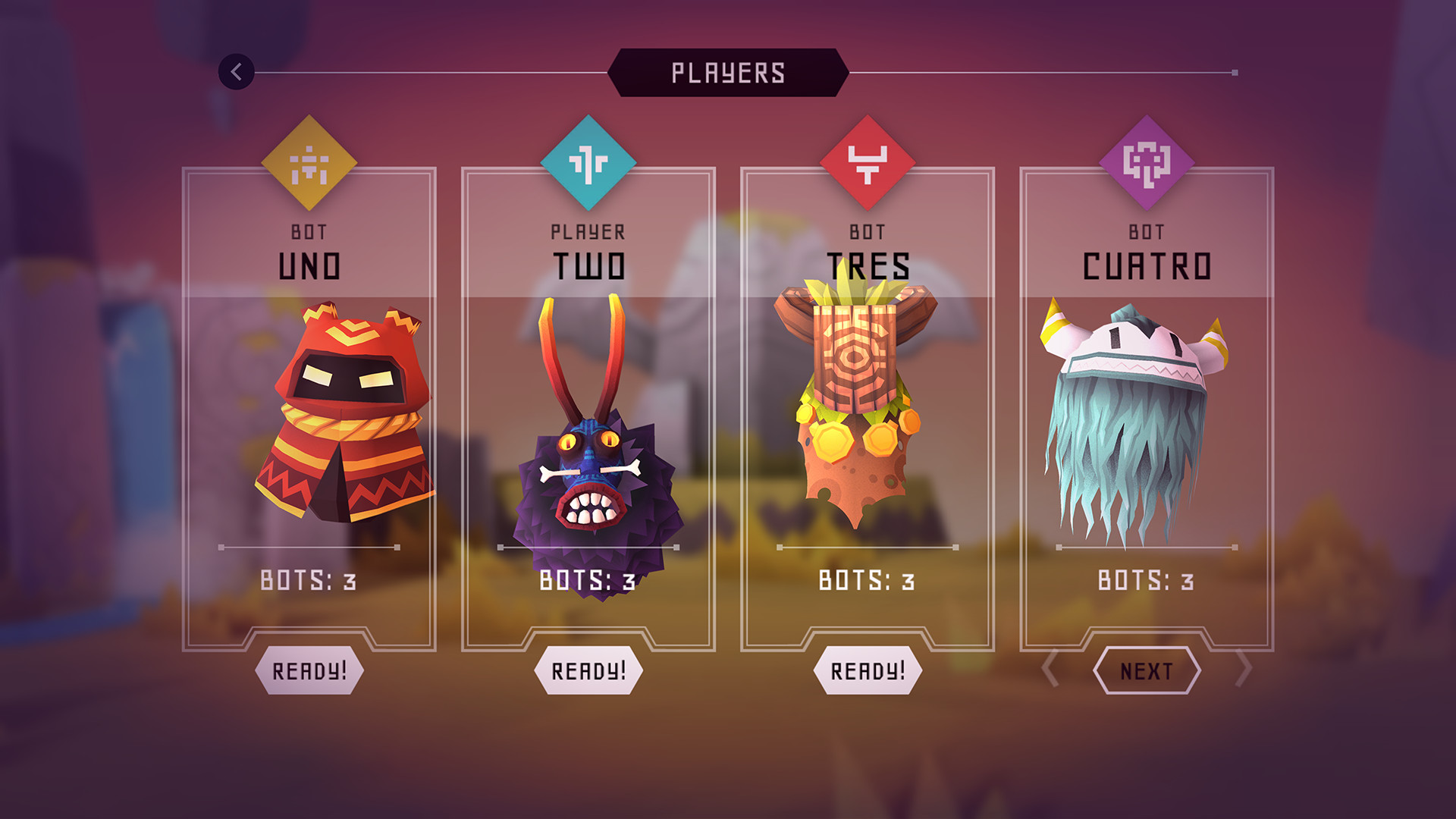
Visuals
Outcome
Winning the Indie Grand Prix 2016 was the first sign we were headed in the right direction. With Mito's media and publishing support, the game passed 100,000 downloads on Steam, with an 86% positive rating.
Takeaway
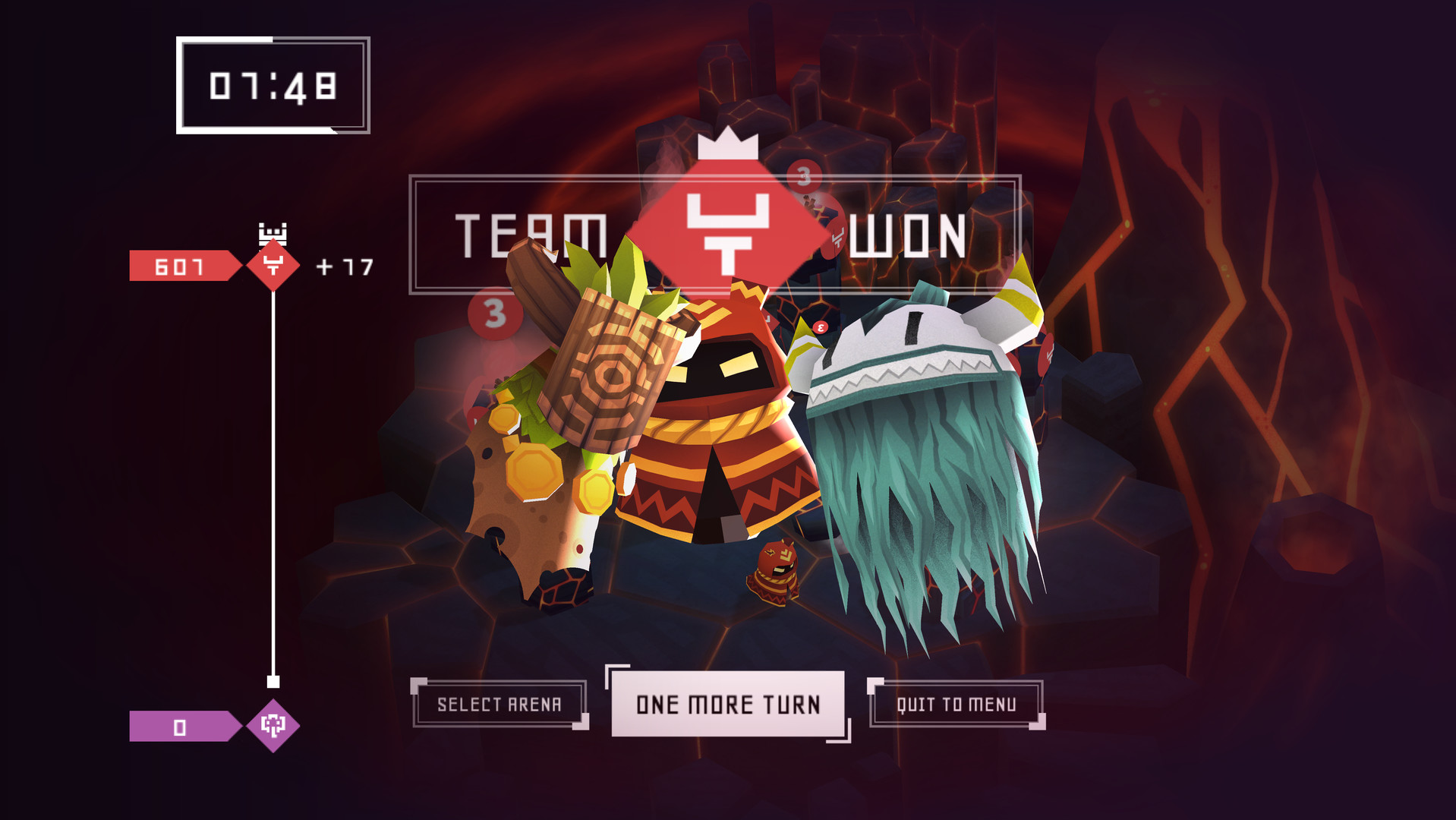
The best gameplay experience is one where the player understands what to do without any explanation — because the environment, the space, and the mechanics teach it together. Totemori is playable without a single word of text: everything communicates visually. That was our goal, and the feedback showed we hit it.