

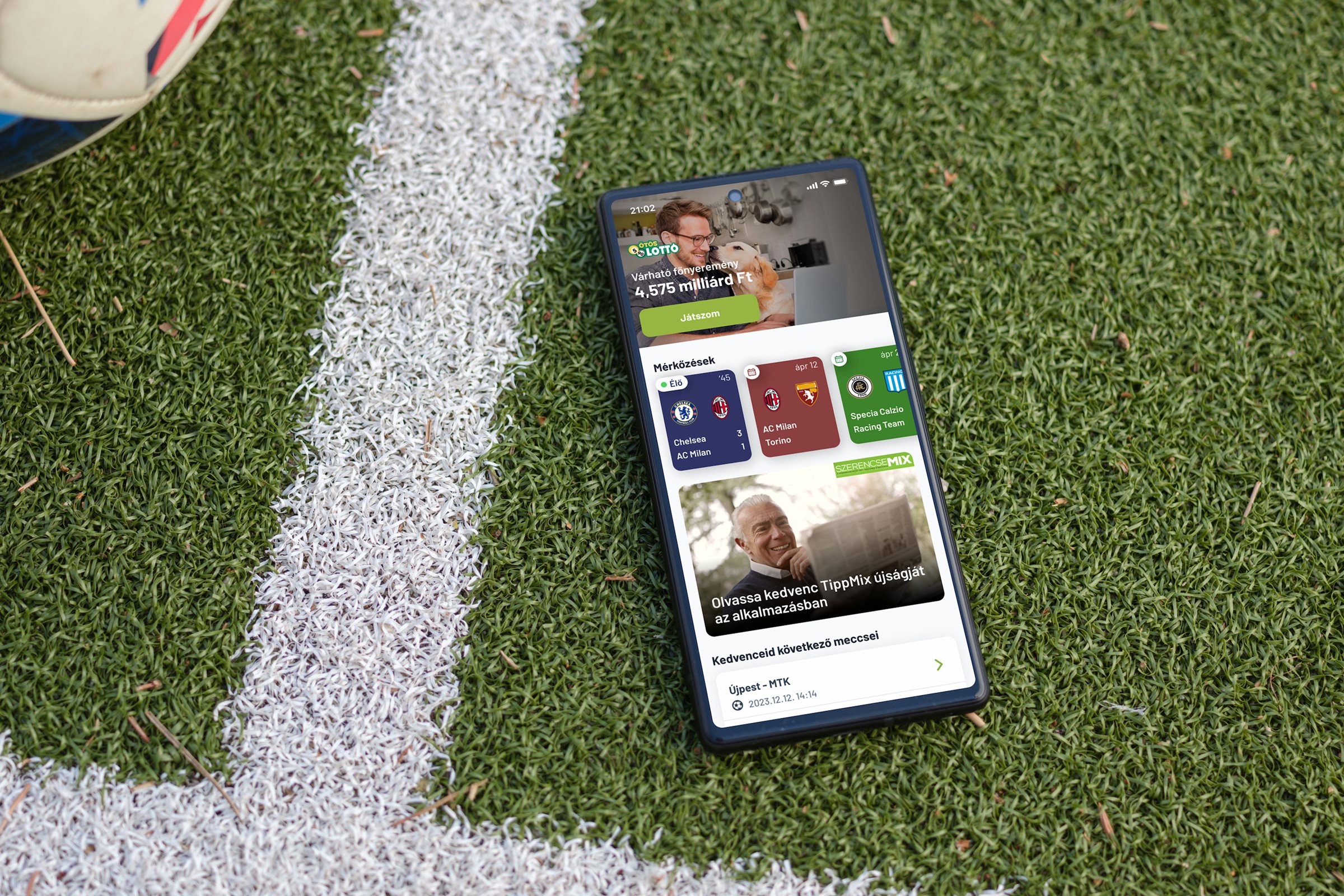
The project
TippMix Radar 2.0 is a complete redesign of the sports betting iOS app for Szerencsejáték Zrt., Hungary's national lottery and gambling operator. The previous version was rated 1.6 stars — complicated and buggy. The task: rebuild from zero. I designed the interfaces. A researcher, iOS and Android developers, and a project manager rounded out the team.
The challenge
Putting together a TippMix betting slip is traditionally an offline, in-store ritual. Older players filled out their slips from the newspaper, younger ones used the tippmix.hu website — then both went to the store in person. Meeting the clerk is an integral part of the process, intimate and ritualistic.
The goal: an iOS app that shows the full betting offer, speeds up service at the counter — and fits the habits players already had.
Process
Design started from business requirements, but gaining domain knowledge was the real first step. We conducted field research interviews with tobacco-shop employees and did contextual observation inside betting shops. That's how we realized sports betting is, for most players, a ritual process — slip-building has its own order, pace, and logic.
I built the interfaces from that insight and tested them on prototypes with real users, refining the system based on the feedback from those tests.
The system
Building the slip
The player browses TippMix and V-sport offers and builds their own betting slip.
Purchase
The app generates a 6-digit code the player can use to buy the slip in-store.
Tracking
Scanning the purchased slip lets the app track the bets' results in real time.
Player card
The player card built into the app lets customers easily identify themselves and take part in Szerencsejáték's prize draws.
These four features cover the offline→online→offline loop. The app builds on the in-store experience — it complements and speeds it up rather than replacing it.
Outcome
The old version earned 1.6 stars for being complicated and buggy. The fully rebuilt app earned a 4.1-star rating from users.
Takeaway
The player isn't using the app — they're following their habits. Design's job is to fit into that. Understanding the context is understanding the product.